
Local Customs in Turkmenistan
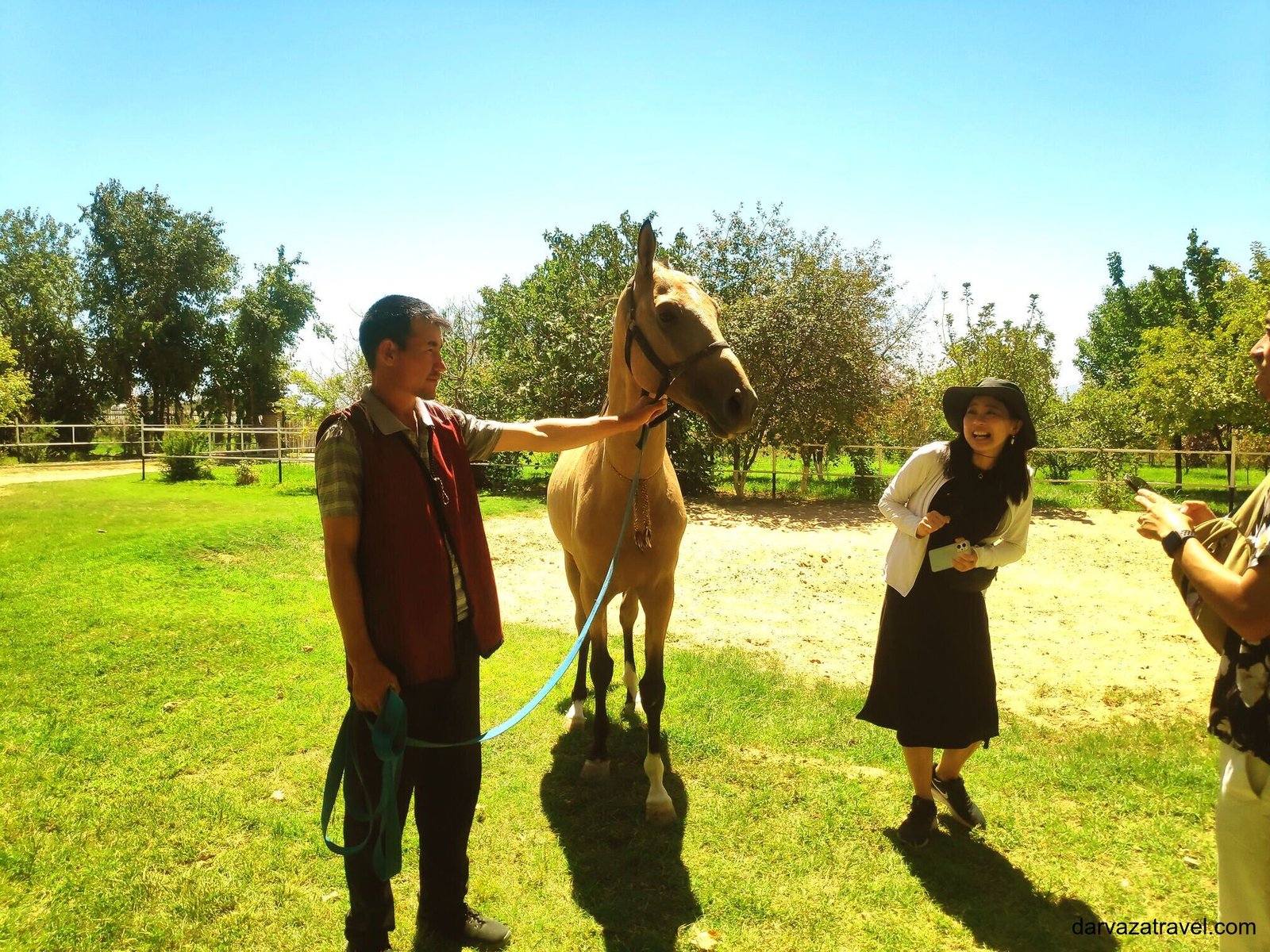
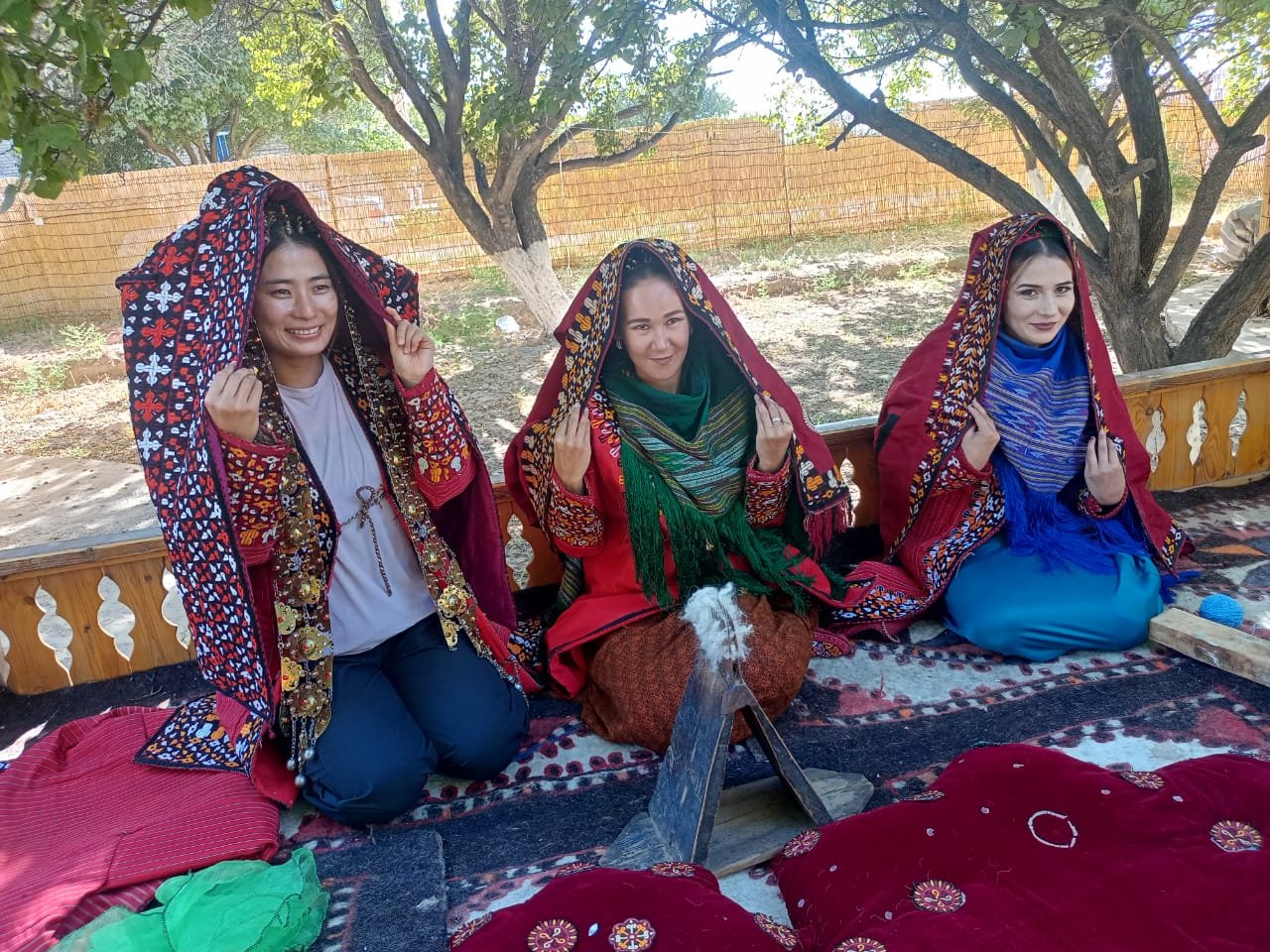
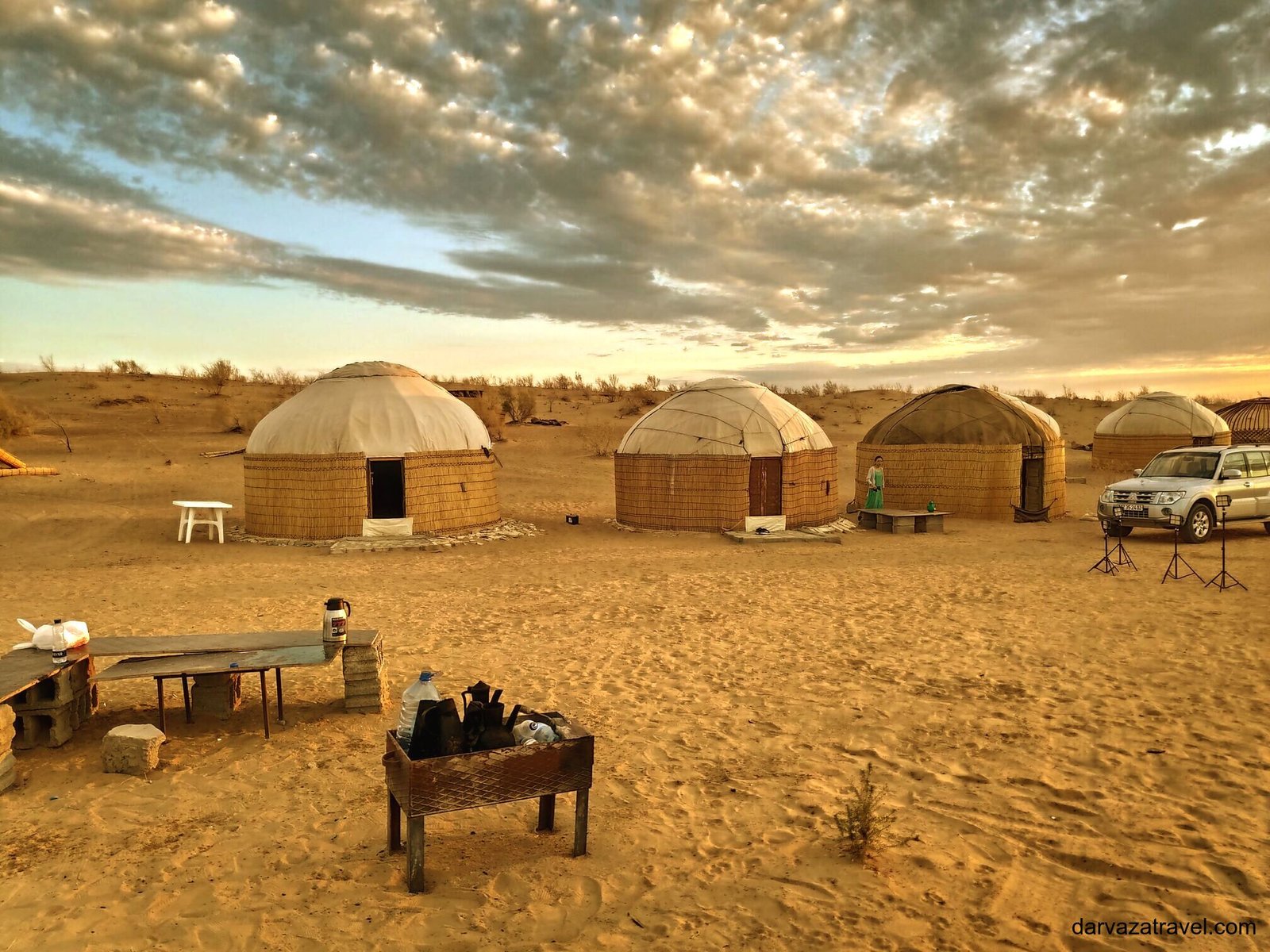
Turkmen society is hospitable, conservative and formal with strangers. Almost nothing here will get a polite visitor into trouble, but a handful of habits — how you treat bread, how you dress, how you greet older people, and what you photograph — make the difference between being tolerated and being welcomed.
Greetings and personal conduct
- Handshakes. Men shake hands with men, often with the left hand touching the right forearm or the heart. With a woman, wait: many Turkmen women prefer a nod and a hand on the heart to a handshake. Let her offer first.
- “Salam.” A simple Salam or Salam alaykum goes a long way. Russian is widely understood; English much less so outside the tourism trade.
- Elders come first. Older people are greeted first, served first, and given the seat. Standing up when an older person enters is normal and noticed.
- Public affection. Holding hands is fine; kissing and embracing in the street is not done.
- Voices. Loud, animated behaviour in public reads as rude. Turkmen public manner is quiet and reserved.
Hospitality: what happens when you are invited in
Being invited into a Turkmen home is common and sincere. A few things to expect:
- Shoes come off at the door, always.
- Tea is not optional. Accepting tea is accepting the welcome. A half-filled bowl is not stinginess — it means the host wants to keep refilling it for you.
- You will be overfed. Refusing food outright can offend; taking a little of everything and slowing down is the polite way out.
- Bring something small — sweets, fruit, tea, or something from your own country. Alcohol is a risky gift unless you know the family.
- Seating. Meals are often at a low table on the floor. Do not point the soles of your feet at other people or at the food.
- Right hand. Eat, pass and receive with the right hand, especially bread and shared dishes.
Bread and the table
Chorek, the round tamdyr-baked flatbread, is close to sacred. Do not place it upside down, do not put it on the floor or on a chair, do not cut it with a knife if it can be torn, and do not throw leftovers away in front of your hosts. If you drop a piece, picking it up is the correct reaction.
What to wear
Turkmenistan is a Muslim country with a formal public culture, and dress standards are noticeably stricter than in most of Central Asia.
- Women: shoulders and knees covered. A headscarf is not required in the street, but is needed in mosques and at mausoleums. Long skirts and dresses are the local norm; trousers are fine for visitors.
- Men: long trousers. Shorts are rare on adults and look out of place in the city, though nobody will stop you.
- Marble Ashgabat: the city is unusually smart. Beachwear, torn clothing and very casual dress stand out badly around government buildings and monuments.
- Religious sites: remove shoes, cover hair (women), no shorts, and follow whatever the caretaker indicates. At Gypjak Mosque and the pilgrimage sites of Kunya-Urgench, you will be among worshippers, not just tourists.
- Desert nights are cold even after a 40 °C day. Bring a layer.
Photography
This is the rule visitors break by accident. Do not photograph military and police personnel, government and presidential buildings, border areas, airports, or checkpoints — this can lead to your camera being inspected and images deleted. Photographing people, especially women and older people, requires asking first. Museums often charge a photo fee. Full detail is on our Turkmenistan safety and travel tips page.
Religion, Ramadan and holidays
Most Turkmen are Sunni Muslim, though practice is relaxed compared with much of the region and Soviet-era secular habits remain strong. During Ramadan, many people fast: eat and drink discreetly in public during daylight, and avoid alcohol in front of others. Gurbanlyk (Eid al-Adha) and Oraza Bayram (Eid al-Fitr) are major family holidays when shops and offices close and roads are busy. Novruz on 21–22 March is the biggest spring celebration and a very good time to visit. All the dates are listed on our Turkmenistan holiday calendar.
Conversation
Family, children, food, melons, horses, carpets, football and your own country are all easy, welcome subjects. Turkmen are generally reserved with strangers about politics and officialdom — follow their lead rather than pushing the topic, and do not put a local host in the position of having to answer. It is a courtesy, not a rule.
Buying carpets, jewellery and antiques
Turkmen carpets are the national symbol and a genuinely good purchase — and they are the one souvenir with real paperwork attached. A handmade carpet requires an official expert assessment and an export certificate before it can leave the country; without it, customs can confiscate it at the airport. In practice:
- Buy from an established shop that sells carpets already certified for export, or
- Buy at Altyn Asyr (Tolkuchka) bazaar or the Carpet Museum shop and let your tour operator arrange the assessment — it usually takes about one working day.
- Keep the receipt and the certificate together with your passport for the flight out.
- Genuine antiques, old jewellery and religious items are subject to cultural-property export rules and are frequently refused. If a seller cannot produce paperwork, do not buy it.
Tipping and money
Tipping is not a Turkmen tradition and nobody will be offended if you do not. In tourist restaurants in Ashgabat, rounding up or 5–10% is appreciated. For a multi-day tour, tipping the driver and guide at the end is now normal among foreign visitors. Bring small US dollar bills — cards do not work; see money and payments in Turkmenistan.
Frequently asked questions
Do women have to cover their hair in Turkmenistan?
Not in the street. A headscarf is expected inside mosques and at mausoleums, so carry a light scarf in your bag. Shoulders and knees should be covered in public.
Can you wear shorts in Turkmenistan?
You can, but very few adults do, and it looks out of place in Ashgabat and at religious sites. Long trousers or a long skirt are the comfortable, unremarkable choice.
Is it rude to refuse food or tea in a Turkmen home?
Refusing tea outright is close to refusing the welcome. Accept the tea, take a small amount of each dish, and slow down rather than saying no.
Can I take photos of people in Turkmenistan?
Ask first, and accept a refusal. Never photograph military or police personnel, government buildings, airports, border areas or checkpoints.
Can I take a Turkmen carpet out of the country?
Yes, with an official export certificate based on an expert assessment. Buy from a shop that provides the documents, or have your operator arrange it — it takes roughly a day.
Is alcohol acceptable in Turkmenistan?
It is legal and served in hotels and larger restaurants, but drinking in public is not done, and during Ramadan discretion is expected. Rules on sales can change at short notice.
Is Turkmenistan conservative towards foreign visitors?
Socially conservative, yes; hostile, no. Visitors are treated with real hospitality. Dressing modestly, greeting elders first and respecting bread and religious sites covers almost everything.
Planning Your Turkmenistan Trip?
We help with your Turkmenistan electronic visa (e-Visa) application, including completing the form, preparing documents and guidance throughout the process.
Need Help with Your Turkmenistan Visa?
Tell us your travel dates, number of travelers, and places you would like to visit. We will prepare a personalized Turkmenistan tours itinerary and help you organize your journey.
