Food & Restaurants in Turkmenistan
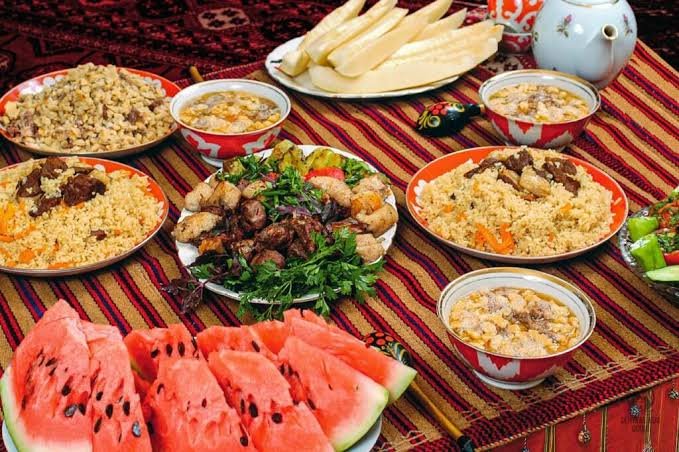
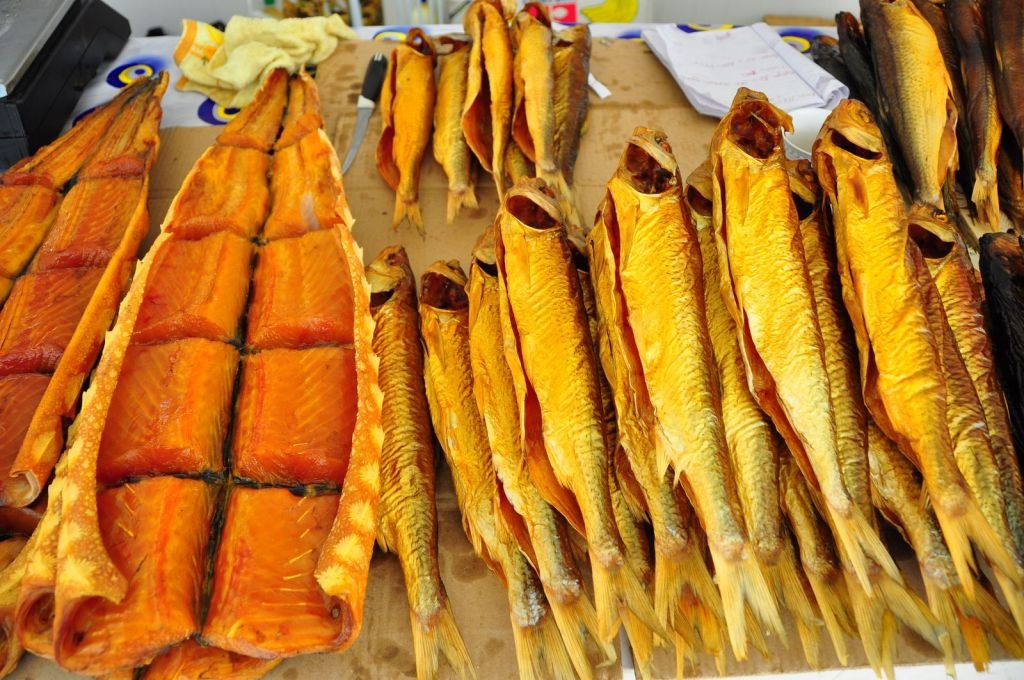
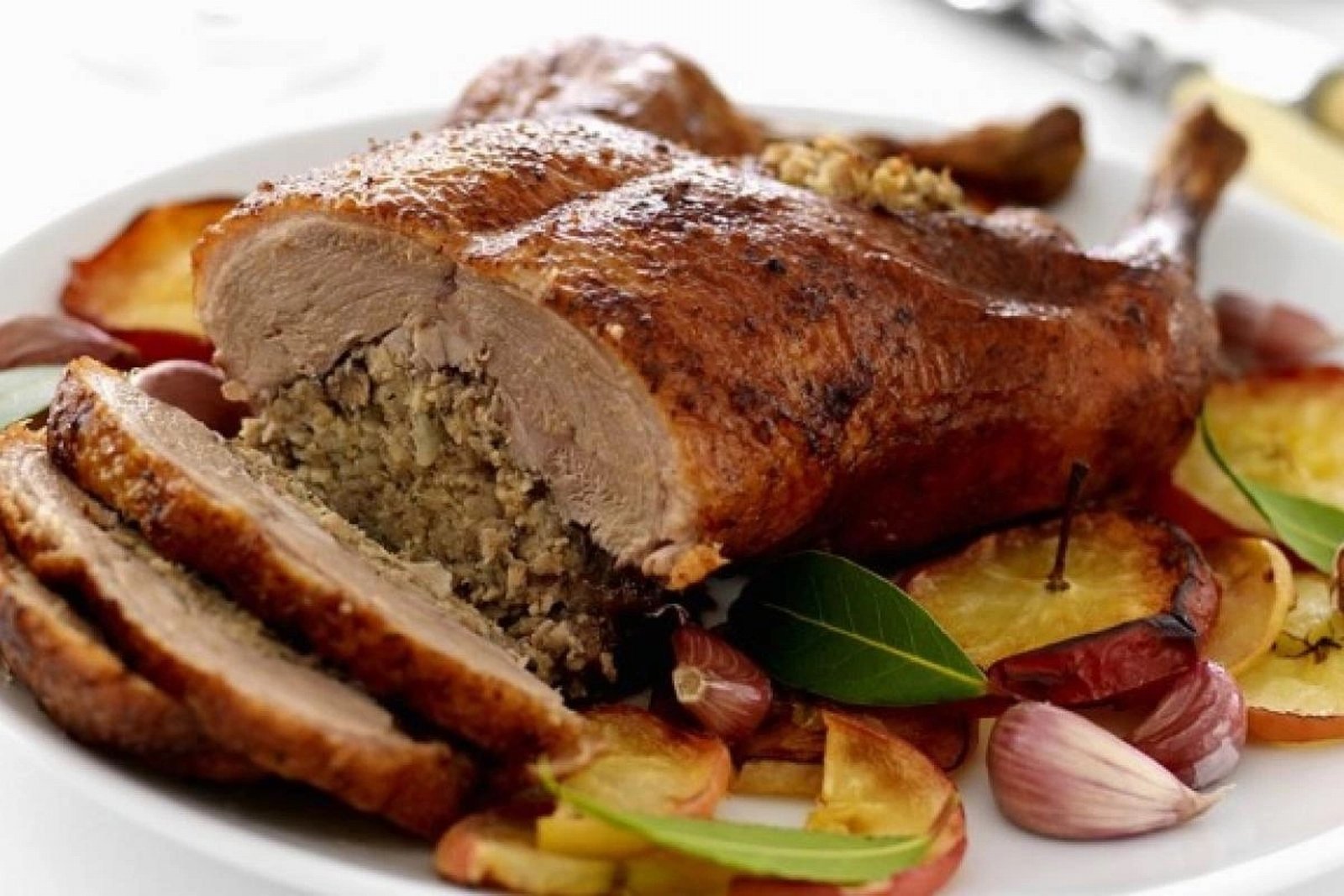
Turkmen food is meat, bread, rice and tea, cooked simply and served in large portions. You will eat well in Ashgabat, adequately in regional cities, and from a limited roadside menu in the desert. Cash only, tap water is not drinkable, and vegetarians need to plan ahead.
The dishes you will actually be served
Turkmen cuisine overlaps with Uzbek, Persian and Turkish cooking, but has its own staples:
- Chorek — round flatbread baked on the wall of a clay tamdyr oven. It is on every table. Bread is treated with respect here: it is not placed upside down, not thrown away, and not put on the floor.
- Palow (plov) — rice cooked with lamb or beef, carrot, onion and cottonseed or sunflower oil. The celebration dish, and the safest bet almost anywhere.
- Shashlyk — skewered mutton, beef or chicken over charcoal. The default order in roadside cafés.
- Dograma — the most distinctively Turkmen dish: crumbled chorek, boiled mutton and onion, with hot broth poured over. Traditionally eaten by hand.
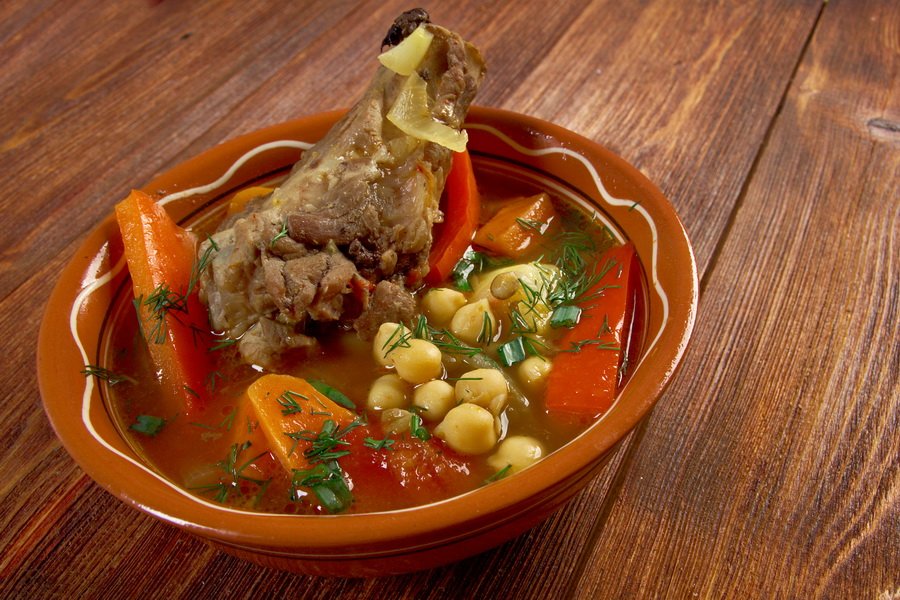
- Chorba / shurpa — mutton and vegetable soup, served hot even in August.
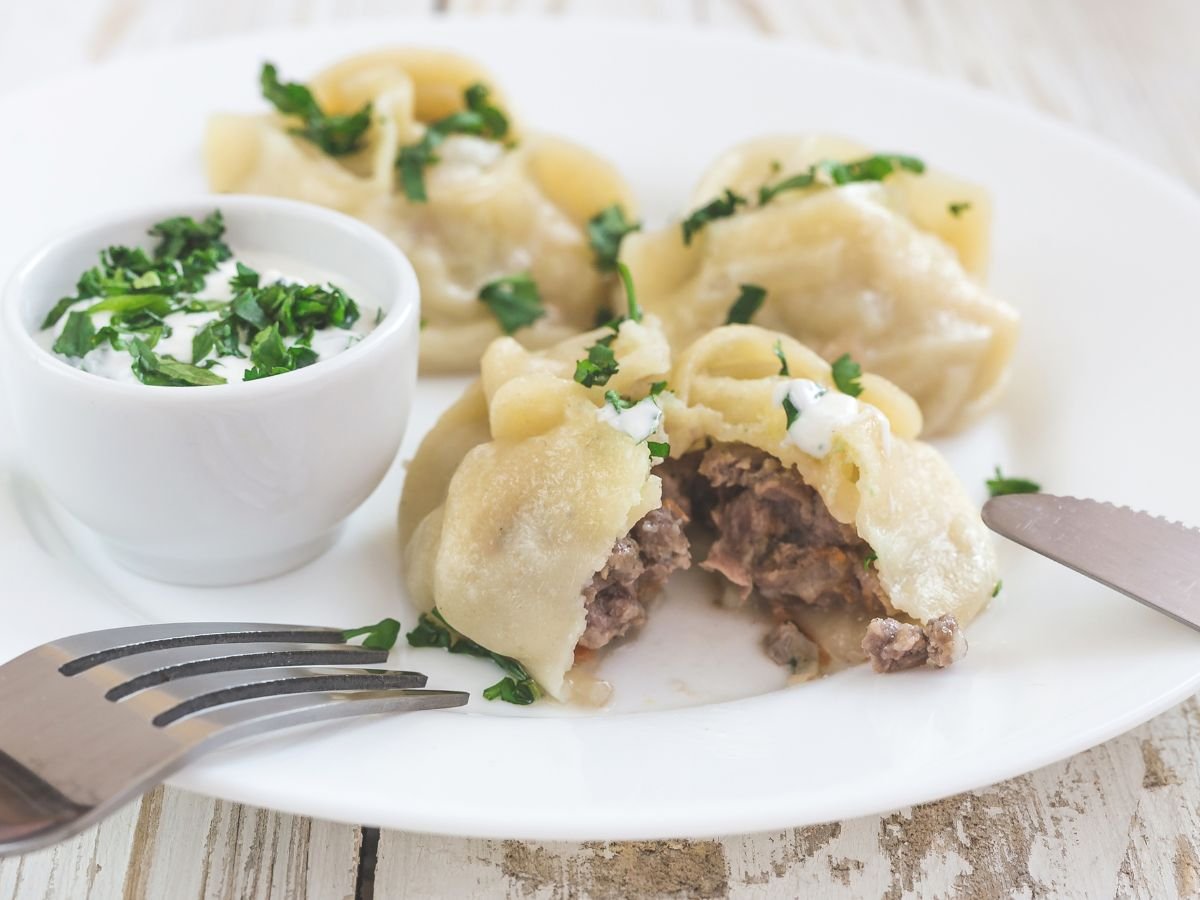
- Manty — steamed dumplings with minced meat, onion and often pumpkin.
- Gutap and ichlekli — flatbread turnovers and a large baked meat pie. Gutap is sometimes filled with pumpkin or greens rather than meat.
- Balyk — on the Caspian coast near Turkmenbashi, fish (including sturgeon dishes) appears on the menu instead of mutton.
- Gawun — Turkmen melon, genuinely famous, and in season from July to October. There is a national Melon Day holiday on the second Sunday of August; if you are travelling then, you will see it everywhere. Dates for that and other festivals are on our Turkmenistan holiday calendar.
Where you eat, region by region
Ashgabat. The capital has the widest choice by a long way: Turkmen national restaurants, Turkish and Iranian kitchens, Russian and Georgian places, a few Chinese and Indian restaurants, and hotel restaurants with international menus. This is where a vegetarian, a fussy eater or anyone tired of mutton will be fine.
Mary, Turkmenabat, Dashoguz, Balkanabat, Turkmenbashi. Regional cities have proper restaurants but a narrower menu — expect national cuisine, grilled meat, soups and salads. Hotel restaurants in these cities are usually reliable.
On the road. Between cities you eat in a chaikhana or roadside café: shashlyk, soup, bread, salad, tea. Portions are large, the food is fresh because it is cooked to order, and prices are low.
Darvaza and desert camps. There are no restaurants at the Darvaza gas crater or in Yangykala Canyon. Meals there are brought and cooked by your tour crew — normally a barbecue dinner, breakfast, tea, and bottled water. Tell your operator in advance about any dietary requirement, because nothing can be bought on site.
Vegetarians, vegans and allergies
Being honest about this saves disappointment: Turkmenistan is a meat-eating country and “vegetarian” is not a widely understood concept outside Ashgabat. Soup broth is made with meat, and rice is often cooked in it.
What works in practice:
- Tell your operator before the trip, not on the first evening. Desert and regional meals are bought in advance.
- Bread, salads, tomato-and-cucumber dishes, pickles, dairy, fried potatoes and pumpkin gutap are widely available.
- In Ashgabat, Turkish and Indian restaurants are the easiest places to eat fully vegetarian, and there are pizza and pasta options.
- Vegans should bring some of their own supplies. Dairy is in almost everything that is not meat.
- Serious allergies: bring a written note in Russian and Turkmen. English is not reliably understood in kitchens outside the capital.
Tea, water and other drinks
Green tea — gok chai — is the national drink and is served constantly, including in 45 °C heat, because it is genuinely more cooling than cold drinks. Black tea is also common. You may be offered chal, fermented camel milk, which is an acquired taste and is unpasteurised.
Do not drink the tap water. Bottled water is cheap and sold everywhere. In the desert in summer plan on 3–4 litres per person per day; your driver will normally carry a supply, but check before leaving Ashgabat.
Alcohol
Alcohol is legal but tightly regulated, and the rules change by government decree with little warning. In practice: hotel bars and larger restaurants in Ashgabat serve beer, wine and spirits; prices are high by regional standards; sales can be restricted on public holidays and religious dates; and outside the capital availability is patchy. Do not build an evening around it, and do not drink in public places. During Ramadan, be discreet.
What it costs
Roughly, and always in cash: a meal in a roadside café or a modest local restaurant runs about 3–8 USD equivalent; a full dinner in a decent Ashgabat restaurant about 10–20 USD; hotel restaurants and imported wine considerably more. Tea, bread and salads are inexpensive. No card is reliable here — read our page on money and payments in Turkmenistan before you arrive.
Eating without getting ill
Most travellers have no problems, but medical care is limited, so it is worth being sensible:
- Bottled or boiled water only, including for brushing teeth if your stomach is sensitive. Skip ice in small cafés.
- Eat food that is hot and freshly cooked — grilled meat, soups and rice dishes are safe by design.
- Be careful with unpasteurised dairy, chal, and raw salads outside established restaurants.
- Wash fruit in bottled water, or peel it.
- Carry rehydration salts and a basic anti-diarrhoeal; pharmacies exist but stock is unpredictable.
Frequently asked questions
What is the national dish of Turkmenistan?
Dograma is the most distinctively Turkmen dish — crumbled bread, boiled mutton and onion in hot broth. Palow (rice with lamb and carrot) is the most common celebration dish.
Can vegetarians eat well in Turkmenistan?
In Ashgabat, yes, especially in Turkish and Indian restaurants. Outside the capital and in the desert it takes advance planning — tell your tour operator before the trip so meals can be bought and cooked accordingly.
Is the tap water safe to drink in Turkmenistan?
No. Drink bottled water, which is inexpensive and available everywhere. In the desert allow 3–4 litres per person per day in summer.
Can you buy alcohol in Turkmenistan?
Yes, in hotel bars and larger restaurants, mainly in Ashgabat, but it is expensive and the rules can change at short notice. Availability is limited outside the capital and can be restricted on certain dates.
How much does a meal cost in Turkmenistan?
About 3–8 USD equivalent in a local café, 10–20 USD for dinner in a good Ashgabat restaurant. Bring cash — foreign cards are almost never usable.
Is Turkmen food spicy?
No. It is mild, salty and rich rather than hot. Chilli is not a normal part of the cuisine, though it is available in Indian and Korean restaurants in Ashgabat.
What do people eat for breakfast in Turkmenistan?
Bread with butter, jam, cheese or sour cream, eggs, sometimes leftover soup or rice, and always tea. Hotels serve a standard buffet with both local and European items.
Planning Your Turkmenistan Trip?
We help with your Turkmenistan electronic visa (e-Visa) application, including completing the form, preparing documents and guidance throughout the process.
Need Help with Your Turkmenistan Visa?
Tell us your travel dates, number of travelers, and places you would like to visit. We will prepare a personalized Turkmenistan tours itinerary and help you organize your journey.
